
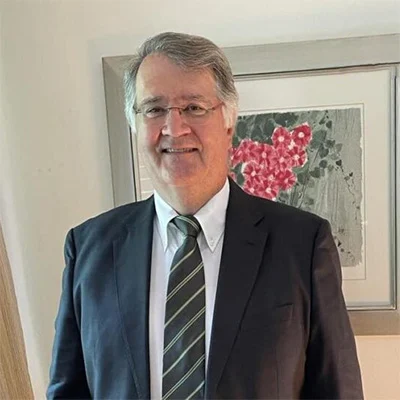
Professor of Internal Medicine and Infectious Diseases
Antonios Papadopoulos, MD, PhD, graduated from the Faculty of Medicine, University of Athens. Trainee in HIV infection through EACS Exchange Program (Saint Pierre University Hospital – Prof. N.Clumeck, Brussels 1996). Professor in the 4th Department of Internal Medicine in the University General Hospital “Attikon”, National and Kapodistrian University of Athens, Greece. He is specialist in Infectious Diseases. His main research interests are HIV infection, sepsis, viral infections and bone and joint infections. Supervisor of Outpatient HIV Unit and the Bone Infection Unit. He has participated in many clinical studies, especially in HIV Infection, viral and bone infections and he is author in >200 papers and abstracts in international journals. He has written 70 chapters in 10 books. Invited speaker in >300 International and Greek Congresses. Founding Member, Secretary and Vice Chair of ESGIAI [ESCMID – Study Group on Implant Associated Infections (2010 – 2019)]. Coordinator of Urinary Tract Infections Guidelines of the Greek Infection Society (2025). Member of the Greek Medical Guidelines Writing Committee on ART and Opportunistic Infections in HIV Infection (2018-2024). Chair of the Organizing Committee (2011) and the Scientific Committee (2026) of the Panhellenic AIDS Conference. Secretary of the Hellenic Society for the Study and Control of AIDS (2016-2023). Founding Member of The Euroguidelines in Central and Eastern Europe (ECEE) Network Group for HIV. Chair of the Greek National Pharmacovigilance Committee and Chair of the Study Group for the Pharmacovigilance of pandemic vaccines of the Greek National Organization for Medicines (2018-2023).
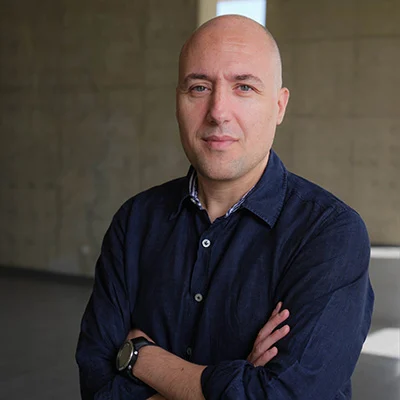
Associate Professor of Epidemiology and Public Health at the University of Cyprus Medical School
Dr. Georgios Nikolopoulos is an Associate Professor of Epidemiology and Public Health at the University of Cyprus Medical School, Cyprus. He is a Fellow of the American College of Epidemiology, certified in Public Health (CPH) by the U.S. National Board of Public Health Examiners, and a certified Guideline Methodologist through the International Guideline Training and Certification Program (INGUIDE).
His research interests include infectious disease epidemiology and prevention, with an emphasis on chronic infections (HIV and hepatitis viruses), evidence synthesis, research methods, environmental epidemiology, health policy and services research (implementation and evaluation), and guideline development and adaptation.
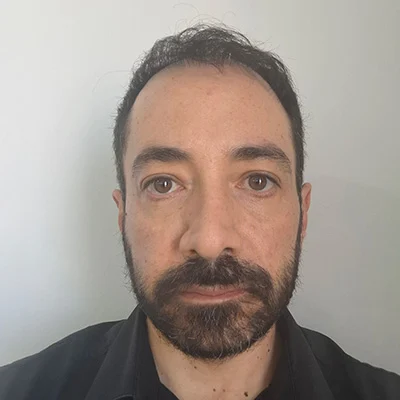
Internal Medicine & Infectious Diseases Specialist
Head of HIV reference clinic, Larnaca General Hospital, Cyprus
Dr. Georgios Siakallis is a medical school graduate from the University of Crete, Heraklion, (2006) – (grade 8.0). Following his undergraduate studies, Dr Siakallis continued his studies with the successful completion of the post-graduate program on “genetics and molecular basis of human diseases” (2009, grade 9.0).
During the following period from 2009-2015, he worked as internal medicine residence at the University Hospital of Heraklion, Crete, until the successful completion of his residency in internal medicine in 2015. He continued his studies as an infectious diseases fellow at the University Hospital “Attikon” in Athens, until 2018, with the successful completion of his Infectious Diseases fellowship.
He is a recognized HIV physician and is currently a PhD candidate at the medical school of National and Kapodistrian University of Athens (EKPA).
During the aforementioned period, Dr Siakallis participated in numerous national, multicenter clinical trials, signed authorship for book chapters and original articles regarding infectious diseases, and focused on the care of HIV patients and patients with multi-drug resistant infections.
He actively participates in international peer reviewed publications and as an invited speaker in local and international scientific conferences. He is currently the head of the Gregorios HIV reference clinic in Cyprus.
He has been appointed as a National Focal point in Cyprus for HIV infection since 2022 and a member of the Cyprus HIV/AIDS National Committee.
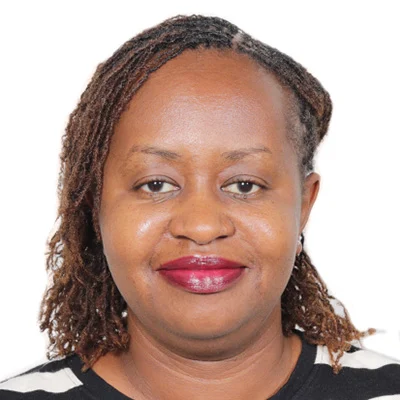
Head of Division of Non-Communicable Diseases – Ministry of Health
Dr. Gladwell Gathecha is the Head of the Division of Cancer and Non-Communicable Diseases (NCDs) at the Ministry of Health, Kenya. She holds a Bachelor’s degree in Dental Surgery and a Master’s degree in Applied Epidemiology. Her work spans several critical areas, including policy development, surveillance, research and health economics. Dr. Gathecha brings a systems-thinking approach to public health, championing integrated, data-driven, and sustainable responses to halt and reverse the rising tide of NCDs in Kenya. In addition, she supervises postgraduate students undertaking NCD research. Through these efforts, she plays a key role in strengthening the evidence base for public health decision-making. Her other interest include policy development for injury prevention and tobacco control. Dr. Gathecha also serves on the Steering Committee of the Coalition for Access to NCD Medicines, contributing to global efforts to improve access to essential medicines and technologies. Dr. Gathecha brings a systems-thinking approach to public health, championing integrated, data-driven, and sustainable responses to halt and reverse the rising tide of NCDs in Kenya and beyond.
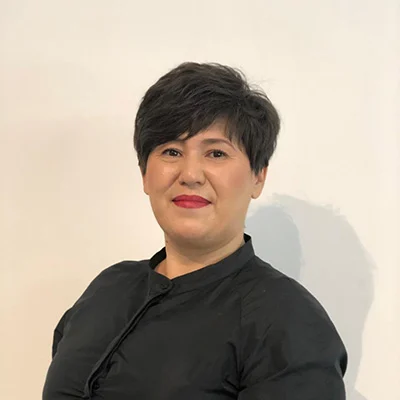
Head of the Public Association “Protecting the Rights of Users of Mental Health Services”
Expert in harm reduction, HIV, and drug policy
Oxana Ibragimova is the Head of the Public Association “Protecting the Rights of Users of Mental Health Services” “Overcoming” and an expert in harm reduction, HIV, and drug policy. She has been working in public health since 2009, beginning her career as an outreach worker and progressing to a national expert and program leader. She represents the interests of people who use drugs and women living with HIV at both national and international levels.
She has over 15 years of experience in designing, implementing, and evaluating HIV prevention, harm reduction, and advocacy programs. Oxana actively contributes to the development of national strategies and regulatory frameworks, with a strong focus on ensuring the sustainability of harm reduction programs and expanding government ownership and support.
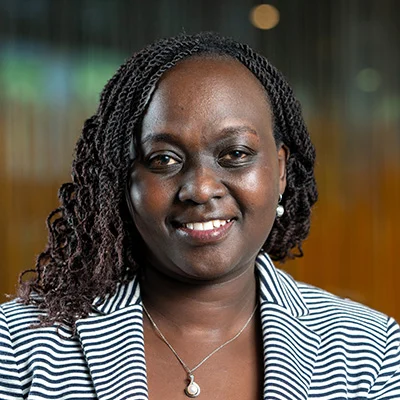
Physician, Implementation Scientist and Assistant Professor with the Department of Global Health at the University of Washington (UW)
Dr Masyuko is a physician, implementation scientist and assistant professor with the Department of Global Health at the University of Washington (UW). Dr Masyuko also serves as the Associate Director of the Global Cardiovascular Health program at UW. Previously, she served in several national roles in Kenyan Ministry of Health where she led the HIV prevention team, the HIV testing services and Pre-Exposure Prophylaxis (PrEP) program, and the adolescents and young people program. Her research spans from designing, optimizing, implementing, disseminating and bringing to scale evidence-based health interventions. My work centers on the direct translation of research results into policy and practice in HIV Prevention, Care and Treatment and Non-communicable diseases in low- and middle income countries. Prior to joining UW, Dr. Masyuko led the national roll out of pre-exposure prophylaxis, HIV self-testing and assisted partner services in Kenya successfully translating these research efforts into policy and practice. These studies and policy work have impacted national and international guidelines and resulted in translation of research into policy and practice. Over the past 20 years, Dr. Masyuko has examined a wide range of innovations and evidence-based clinical practices in HIV, cardiometabolic diseases and geriatric syndromes.
Currently, I co-lead the Implementation science core for the American Heart Association funded RURAL-PROCARE network that supports 5 implementation science projects in the US focused on improving cardiovascular health in rural America. In addition, I am currently engaged in several implementation science research projects in several countries on assisted partner services , pre-exposure prophylaxis (PrEP), ART adherence for women involved in sex work, perinatal mood and anxiety disorders, elimination of vertical transmission of HIV, syphilis, hepatitis B, and Chagas disease, frailty, osteoporosis and heart failure prevention in women aging with HIV.

Marios Atzemis was born in Athens on th 6th December 1974. He graduated from Athens College in 1992 and from the American College of Greece in 2003 with a bachelor in Sociology. He was a user of psychoactive substances for many years. In his social rehabilitation, at 18 Ano, he actively participated in the activist group”Collective Actions of Social Solidarity.” He started to publish texts inwebsites and magazines to communicate his experience of problematic drug use and the turning point of his seroconversion . Marios was one of the many people who were recordedin the collective consciousness as a case of the HIV outbreak among injecting drug users in the centre of Athens between 2011-2013, an outbreak that changed many things in the way the average Greek perceives harm reduction strategies . From the summer of 2014 up to the summer of 2024 ,Marios worked at the Greek Association of PLHIV “POSITIVE VOICE” as a harm reduction officer. Since 2016, he has been a regular member of the European AIDS Treatment Group and represented it from 2019 until 2024 in the Civil Society Forum on Drugs( official consultative body of the EU and the Commission regarding drug policies and Civil Society)He represented the national Greek delegation for numerous times in the UN convention regarding drugs (United Nations Office of Drugs and Crime – Committee on Narcotic Drugs)He is also a board member of the Drug Policy Network of South East Europe (DPNSEE) an umbrella scheme for civil society frontline harm reduction organisations .Furthermore he was from 2019 up to January 2024 a board member of AIDS Action Europe Also an elected member of the Board of Correlation EuropeanHarm Reduction Network. Since January 24 he is deputy chair of the Addiction Prevention Centers ATHENA YGEIA and a municipal associate for the City of Athens .Moreover he has participated in numerous workshops and conferences as a guest speakerboth in Greece and abroad. As an expert for harm reduction and humane drug policies in all of the above organisations , he deliversregularly lectures in postgraduate programmes at the Medical School of Athens onaddictions, harm reduction and the humane treatment of usersHe has also organized and participated in seminars on HIV/HCV and harm reduction in universities, rehabilitation centers and law enforcement units.

Dr. Roula Hawa is Associate Professor in Family Studies and Human Development, Faculty of Health Sciences at Western University in London, Ontario, Canada. She brings expertise in mixed-methods interventions and community-based participatory research using anti-oppressive and arts-based approaches. Dr. Hawa is the Principal Investigator of the YSMENA program centred on sexual health, HIV prevention and wellbeing of diaspora Middle Eastern and North African young adults, with a focus on key populations, including sexual minorities, trans and gender diverse populations.
Her research program is funded by the Canadian Institutes of Health Research (CIHR), the Canadian Foundation for AIDS Research (CANFAR), the Ontario HIV Treatment Network, and CIHR Pan-Canadian Network for HIV and STBBI Clinical Trials Research (CTN+). Roula serves as an Associate Editor at Progress in Community Health Partnerships: Research, Education, and Action, Johns Hopkins University Press.
For more information about Dr. Hawa’s research, please visit her webpage.
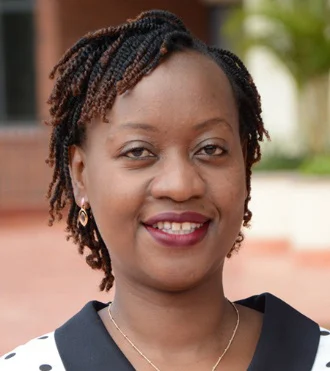
Dr. Linnet Ongeri is a Principal Clinical Research Scientist and Psychiatrist at the Kenya Medical Research Institute (KEMRI), where she heads the Mental Health Department. She has over 15 years of experience in mental health research, clinical practice, and health policy in Kenya and across sub-Saharan Africa. Her research focuses on implementation science and developing scalable, evidence-based approaches to integrate mental health into primary healthcare and non-communicable disease (NCD) services.
Her work spans depression, suicide prevention, substance use, trauma, and the intersection of mental health with HIV and other NCDs. She has led and collaborated on numerous national and international research projects evaluating digital health innovations, task-shared care, and integrated service delivery models to improve access to quality mental healthcare. Dr. Ongeri has also contributed to the development of Kenya’s national mental health policies and guidelines and is committed to translating research evidence into policy and practice to strengthen health systems and improve population health outcomes.
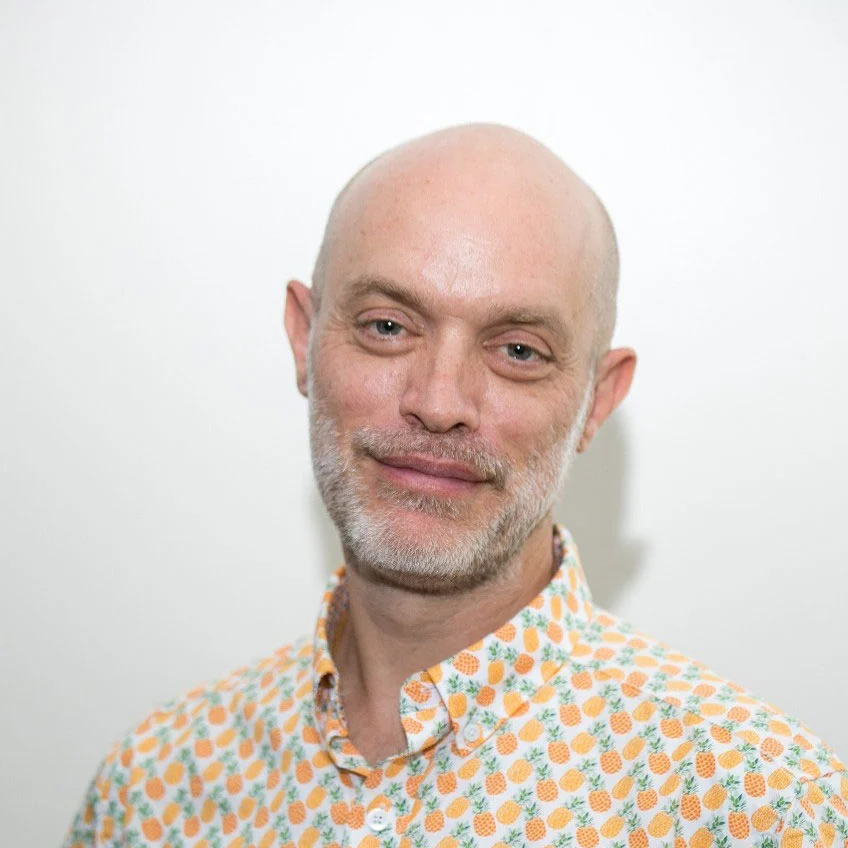
Dr. John Schneider MD, MPH is Professor of Medicine, Epidemiology and Social Work at the University of Chicago and Directs the Chicago Center for HIV Elimination. As a physician-scientist, he is a pioneer in the development of network interventions to improve public health. He employs social-, sexual-, bacterial- and molecular network analyses to accelerate STI/HIV care continuum, COVID-19 prevention, substance use treatment and other prevention intervention programs in the United States and internationally. This work advances network interventions through: 1) rigorous network assessment; 2) mathematic modeling and other forecasting; and 3) leveraging network structures as human interventions integrated with biomedical prevention. His work has prioritized health equity among marginalized populations, including substance users, Black sexual and gender minorities, and criminal justice involved populations (and the intersection of these groups).
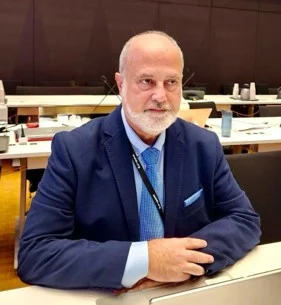
Founder and Former Director of the Association Soins Infirmiers et Développement Communautaire-SIDC, which was established in 1987. Elie Aaraj completed his Maitrise degree in Community Health at the St Joseph University, Lebanon after going on to complete BS Nursing at the Lebanese University in 1982. He worked in 2 hospitals in Lebanon, before becoming the Director of the Nurse-Aid Technical School at Hayek Hospital, Beirut. He is the Founding President of the Order of Nurses in Lebanon Council member of the Municipality of Sin El Fil for 2 terms (1998 & 2004) He is the co-founder and Executive Director of the Middle East and North Africa Harm Reduction Association-MENAHRA, a regional NGO working towards promoting and advocating for harm reduction within the MENA region. President of the Regional/Arab Network Against AIDS-RANAA (2008 – 2018). Mr. Aaraj has undertaken more than ten major pieces of research on HIV, drug use prevention and Harm Reduction and the role of civil society organizations. Mr. Aaraj is currently a member of the Developing Country NGO Delegation (DCNGO) at the Board of the Global Fund to fight AIDS, Tuberculosis and Malaria, and a member of the advisory board at the faculty of health sciences at Sagesse University. Member of Multi-Stakeholders Task Force for the preparation of the UN High Level Meeting (UNHLM) on HIV 2026. Holder of “Medaille Marcelle Hochar” Award (2005) from the Lebanese Red Cross Nursing Association, the National Rolleston Award (2011) from Harm Reduction International. The “Kim Mo IM” Award for policy innovation and Impact, International Council of Nursing (2019)
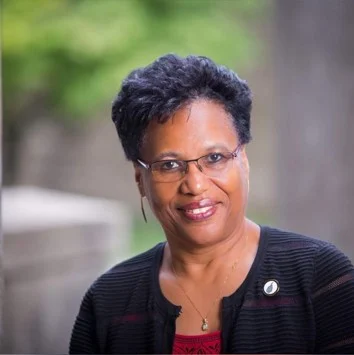
Adjunct Professor, University of Louisville, School of Public Health and Information Sciences, Kentucky, USA
As an Associate Professor in the Department of Health Promotion and Behavioral Sciences with a special interest in program evaluation and community based participatory research, I lectured in both those areas as well as undertaking community-based projects with a view to improving the public’s health. Over my more than 30-year career in Public Health, I have worked in Sierra Leone, Liberia, the US and Ghana and I am the author of a textbook which is in its third edition, “Evaluating Public and Community Health Programs,” published by Jossey-Bass and the author of many presentations and publications. More recently, I published another book this time with a former student, Baraka Muvuka. The book is titled, “Integrated Research Methods in Public Health.”
My primary interest and the focus of my research has been the social determinants of health. This includes an interest in infectious diseases which really prepared the ground for my engagement in the Ebola Epidemic. I spent 3 months in Sierra Leone and got to see how something as small as a virus can and will transform a nation, a society, a people! In 2015, while I could not go to Sierra Leone for my Fulbright Fellowship due to that same virus, I had the opportunity to go to Ghana instead. I was a Fulbright Scholar at the Kwame Nkrumah University of Science and Technology (KNUST), School of Public Health for a year. There I taught two courses per semester in the Department of Health Promotion and Education. During my year’s stay in Ghana, I funded a six-seater Water and Sanitation community engaged construction microflush project in Pramkase for an elementary school of 350 kids that had not had toilet of hand-washing facilities for three years. Some of the funding was provided by Rotarians of the Rotary Club of Kumasi and through appeals to friends and family on social media.
I was the first female Rotarian of the Rotary Club of Freetown in 1994 but was unable to continue due to a busy schedule but in 2014 I joined the Rotary Club of Prospect/Goshen and became their president in 2018-2019. I also served as Chair of the Foundation and Chair of the International Service Committee. I provided professional expertise on a Preventing Cervical Cancer in Southern Haiti grant funded by Rotary International. I am now an active member of the Rotary Club of Freetown as Chair of the Projects Committee and a Board Member. In addition, I work closely with the Alumni of the MGHS as the Diaspora Liaison.

Executive Director: Medic Afya
Senior Fellow, Centre for Health AI Research, Implementation and Innovation
Dr. Ryan Nyotu, as a clinician, policy architect, and implementation strategist, he sits at the crossroads of care, data, and digital transformation in Africa.
He is the Executive Director of Medic Afya, a digital health orgransiation at the forefront of digitasation of the community health across 7 countries in Africa. He is on one of the physician-architects of Kenya’s national digital health transformation. As the inaugural Head of the Division of Digital Health at Kenya’s Ministry of Health (2023–2024), he spearheaded the landmark Digital Health Act — establishing the Digital Health Agency and designing the Digital Health Superhighway Model, the national blueprint for standardised digital health deployment across all 47 counties and 8,000+ health facilities.
His work has directly shaped data-driven primary health care delivery for over 75% of al Kenyan Households in Kenyan, extending digital solutions to 100,000+ community health workers.
Dr. Nyotu holds an MPhil in Health Innovation from the University of Cape Town (with distinction) and B.Sc Medical Physiology and an MBCHB from the University of Nairobi. He is published in several leading journals
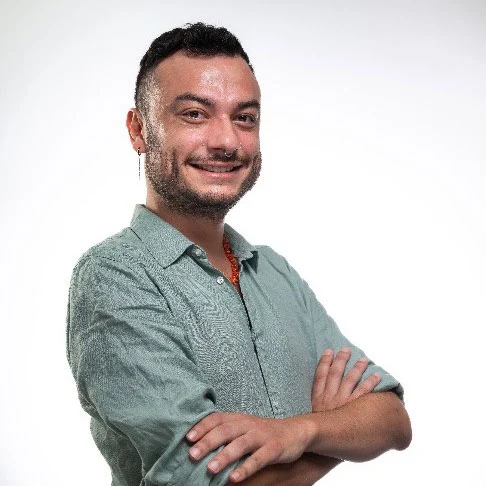
Marc Buhagiar is an HIV activist and co-founder of Checkpoint Malta, a Maltese NGO working to improve HIV prevention, testing, awareness, and support services while combating stigma. He currently serves as President of Checkpoint Malta and has been involved in initiatives promoting community-led HIV and STI testing, peer support, and public awareness campaigns.
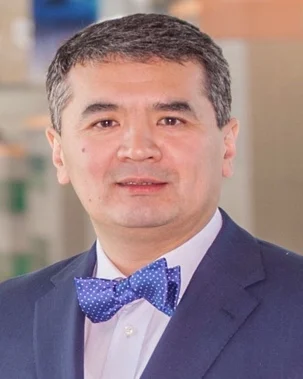
Talgat Nurgozhin, MD, PhD, DSc, is a professor of pharmacology and clinical pharmacology, medical leader, and healthcare executive with more than 30 years of experience in clinical pharmacology, translational medicine, pharmaceutical policy, academic administration, and healthcare management. He currently serves as Chairman of Densaulyk, the Association for Harm Reduction of Risk Factors for Human Health, and as a medical advisor to the CEO of The Say Pharma in Dubai. In these roles, he contributes expertise in evidence-based medicine, pharmaceutical market analysis, ethical medicine promotion, public procurement, and healthcare strategy across Central Asia and the CIS.
From 2017 to 2022, Professor Nurgozhin served as CEO and Rector of Asfendiyarov Kazakh National Medical University. He led the university’s transformation into a non-profit joint-stock company and helped secure its official Research University status in 2019. Under his leadership, KazNMU entered the QS World University Rankings, expanded international academic partnerships, accelerated digitalization, and modernized its clinical, educational, and student infrastructure. Earlier, he held senior leadership positions at Nazarbayev University, the National Medical Holding, the Research Center of Neurosurgery, and the Almaty State Institute of Postgraduate Medical Education.
Professor Nurgozhin has played a significant role in the development of pharmaceutical and healthcare policy in Kazakhstan and Central Asia. From 1995 to 2005, he worked as a pharmaceutical policy expert on USAID-funded ZdravReform and ZdravPlus projects in Kazakhstan, Kyrgyzstan, and Uzbekistan, focusing on pharmaceutical supply systems, public procurement, access to medicines, and rational medicine use. He contributed to Kazakhstan’s Densaulyk national health reform program for 2016-2019, the development of national essential medicines lists, and the establishment of systems promoting the appropriate use of medicines. As Chief Editor of the Kazakhstan National Formulary from 2015 to 2017, he led the development of the country’s first national formulary in digital and print formats.
His scientific work spans pharmacology, healthy ageing, regenerative medicine, targeted drug delivery, and pharmacoepidemiology. He is the author of more than 120 peer-reviewed publications, seven monographs, and 12 patents, and has supervised 17 successful PhD defenses. He has completed advanced training in pharmacoepidemiology and drug policy at Boston University School of Public Health and in health management and economics at Virginia Commonwealth University. His distinctions include national awards for contributions to healthcare and science, a State Award for ageing research, and multiple Web of Science Leader of Science awards.
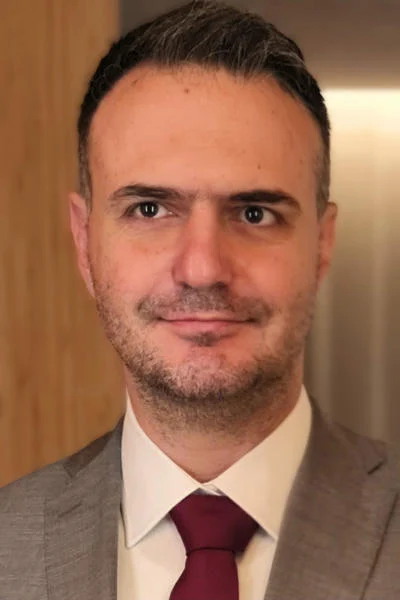
Dr. Dimitrios Ntourakis is an Associate Professor of Surgery and Chairman of the Division of Surgery at the European University Cyprus School of Medicine. He earned his Medical Degree from the National and Kapodistrian University of Athens (NKUA) in 2002 and completed a Ph.D. in Experimental Surgery at the same institution in 2015. His surgical training includes a residency in General Surgery at the Korgialeneio–Benakeio Red Cross Hospital of Athens, followed by postgraduate training at the University Hospital Hautepière in Strasbourg, France. He subsequently served for four years as a Senior Fellow and Lecturer (Chef de Clinique) at the University Hospitals of Strasbourg. Dr. Ntourakis holds four postgraduate university diplomas from leading French universities, covering colorectal surgery, hepatobiliary and pancreatic surgery, laparoscopic surgery, and abdominal ultrasonography. His clinical practice focuses on minimally invasive surgery—including laparoscopic, robotic, and hybrid techniques—with particular expertise in hepatopancreatobiliary and colorectal procedures, abdominal wall reconstruction, as well as perioperative optimization and enhanced recovery protocols. His research spans surgical oncology, image‑guided and minimally invasive techniques, and combined laparoscopic–endoscopic approaches. He has contributed to pioneering work in augmented‑reality navigation for liver surgery and maintains active scholarship in surgical education, simulation‑based training, peer‑teaching models, and the emerging role of AI in medical training. He has participated as a partner in two Horizon Europe and HADEA‑funded research projects, and his work appears in high‑impact journals such as World Journal of Surgery, Annals of Surgical Oncology, Digestive Surgery, and HPB.