
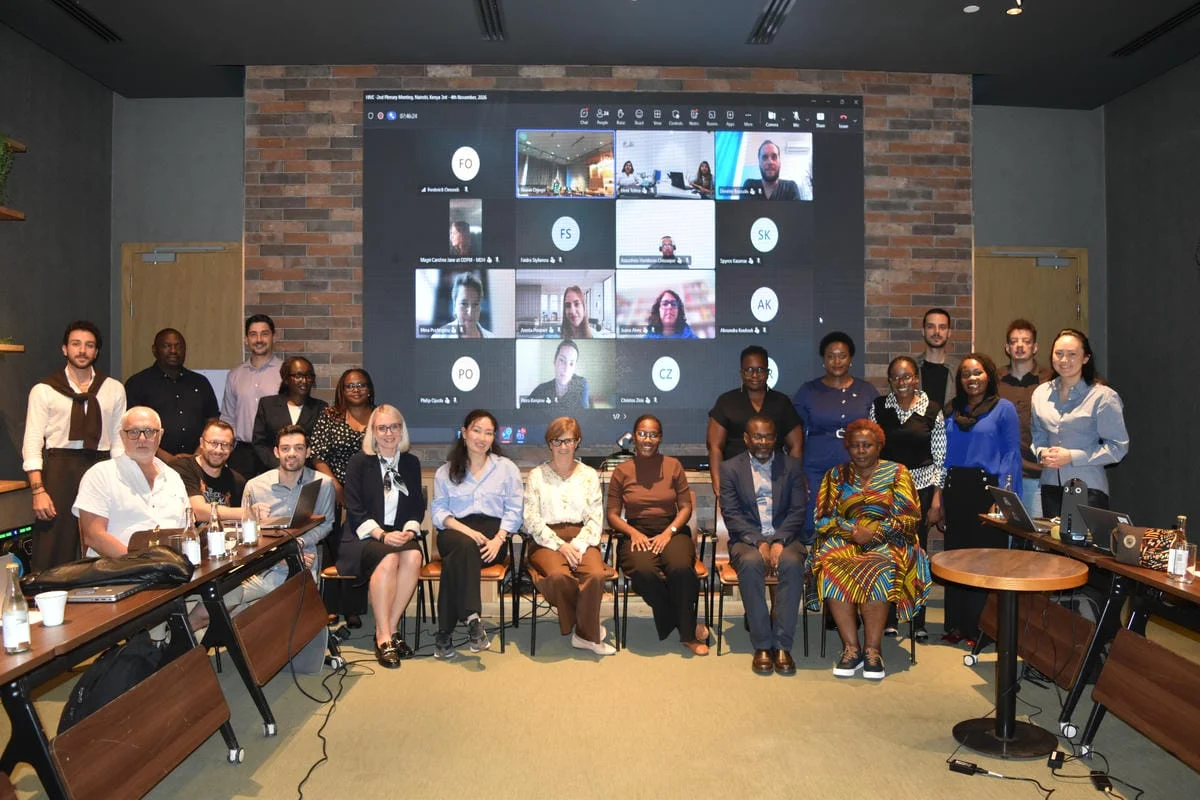
On 3–4 November 2026, the HIVE consortium gathered in Nairobi, Kenya, for its 2nd Plenary Meeting, bringing together project partners to review progress, exchange knowledge and coordinate the next steps towards improving integrated healthcare for people living with HIV and multiple long-term conditions.
Hosted by project partner HJF Medical Research International, Inc. (HJFMRI), the two-day meeting provided an important opportunity for consortium partners to discuss the implementation of HIVE’s activities, address ongoing challenges and strengthen collaboration across the project’s participating countries.
Advancing Integrated Care for People Living with HIV
HIVE aims to enhance the management of multiple long-term conditions (MLTCs) among people living with HIV by promoting the integration of non-communicable disease (NCD) care into existing healthcare services.
Through implementation research, evidence-based interventions, digital health solutions and international collaboration, the project seeks to support more accessible, equitable and patient-centred healthcare, particularly across healthcare settings with different resources and capacities.
The Nairobi meeting offered an opportunity to reflect on the project’s progress since the 1st Plenary Meeting, held in Athens in March 2026, while discussing the activities that will shape the next phases of implementation.
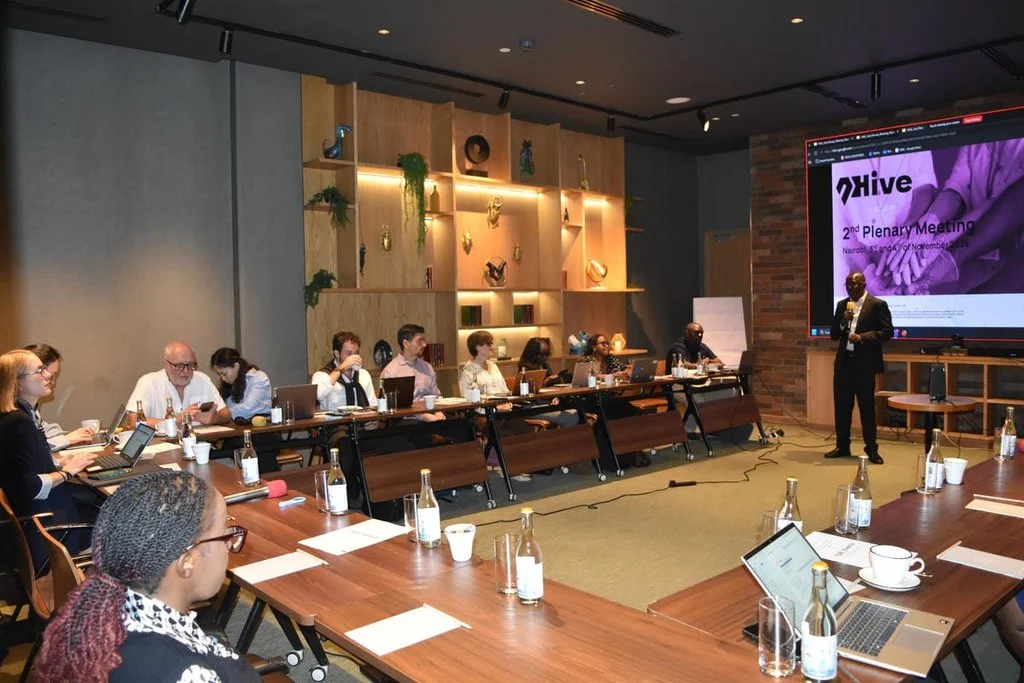
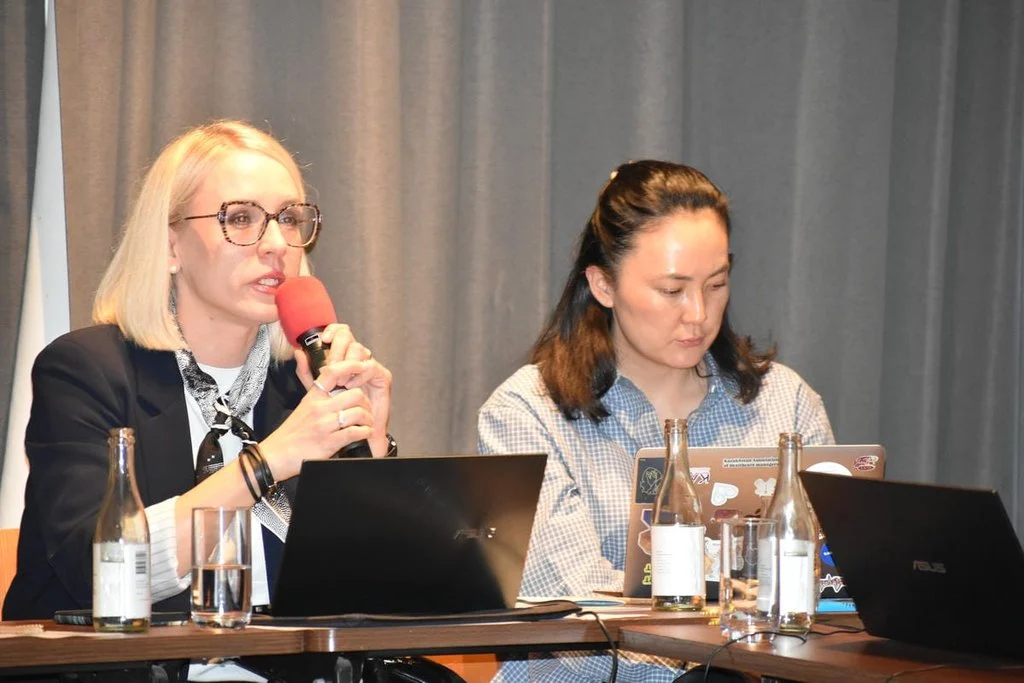
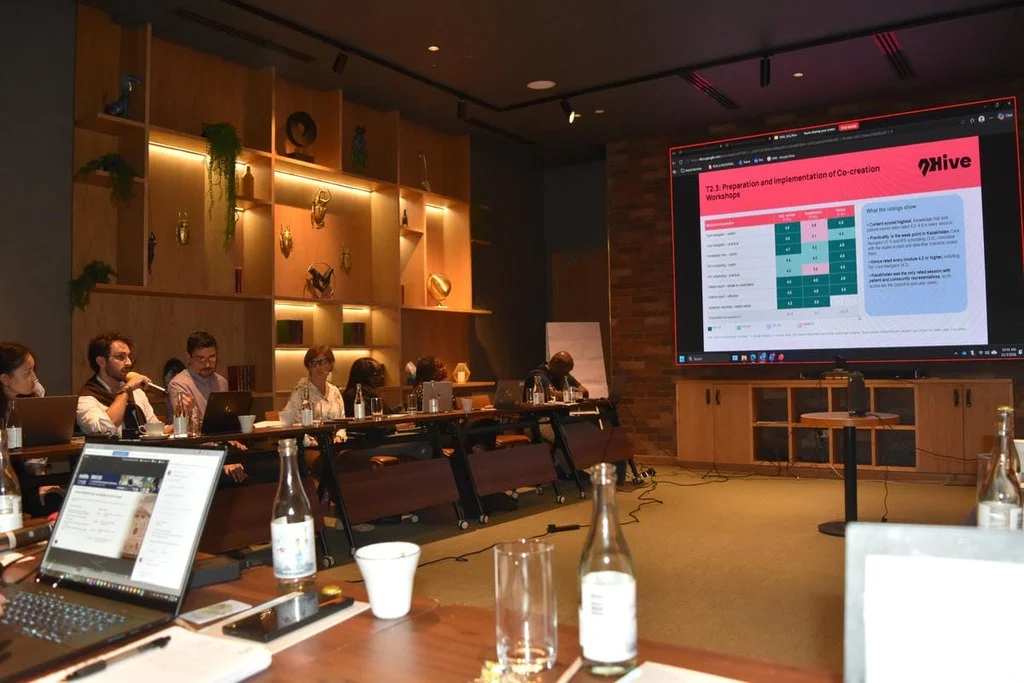
Reviewing Progress Across HIVE’s Work Packages
The meeting agenda covered the project’s key scientific, clinical and operational activities, with discussions spanning implementation research, intervention development, clinical trial preparation, evaluation, dissemination and project management.
Implementation Research and Stakeholder Engagement
Partners reviewed the implementation research activities undertaken to better understand the healthcare needs of people living with HIV and the challenges associated with managing multiple long-term conditions.
Discussions focused on the project’s needs assessments, healthcare system analyses, co-creation workshops and implementation framework. Particular attention was given to the importance of adapting interventions to different healthcare environments and incorporating perspectives from healthcare professionals, patients and other relevant stakeholders.
Adaptation of HIVE Interventions and Digital Health Innovation
Another important part of the meeting focused on the development and adaptation of HIVE’s interventions.
Partners discussed the digital HIVE application, designed to support health education, self-management and access to relevant healthcare information. The meeting programme also included a demonstration of the application, providing an opportunity to examine its functionalities and discuss its use within the project.
The discussions highlighted the importance of developing accessible and culturally appropriate interventions that respond to the needs of patients and healthcare providers across the participating countries.
Preparing for the HIVE Clinical Trial
The HIVE clinical trial was a central topic of the meeting.
Partners reviewed preparations for the multinational clinical trial involving healthcare settings in Greece, Kazakhstan, Kenya and Malta.
Discussions addressed clinical trial procedures, ethical approvals, healthcare professional training, recruitment planning and the implementation of the project’s interventions.
The trial represents an important stage in HIVE’s efforts to evaluate approaches to integrated care for people living with HIV and multiple long-term conditions.
Evaluating Implementation and Long-Term Impact
The consortium also examined the project’s evaluation and validation activities, which aim to assess the implementation, adoption and sustainability of HIVE’s interventions.
Discussions covered approaches to understanding healthcare provider and patient experiences, barriers to implementation, cost-effectiveness, social impact and opportunities for future replication.
These activities will contribute to assessing how HIVE’s approach can be adapted and potentially transferred to different healthcare environments.
Strengthening Dissemination, Communication and International Networking
The meeting also featured a dedicated session on Work Package 6 (WP6): Dissemination, Communication and Exploitation, led by the Institute of Entrepreneurship Development (iED).
The session focused on the project’s communication and dissemination activities, progress towards dissemination objectives, networking and clustering opportunities, and the next steps for increasing HIVE’s visibility and impact.
Particular attention was given to strengthening engagement with relevant stakeholders, promoting project activities and results, and fostering collaboration with other European research initiatives.
The meeting agenda also included activities relating to the Early Career Researchers Incubation Hub, which supports knowledge exchange, skills development and collaboration among emerging researchers.
Through these efforts, HIVE aims to extend its reach beyond the consortium and contribute to broader discussions on integrated HIV and NCD care.
Looking Ahead: The Next Steps for HIVE
As HIVE moves forward, collaboration among consortium partners will remain essential to the successful implementation of its activities.
The Nairobi meeting provided an opportunity to coordinate upcoming work, including the progression of the clinical trial, further development of the project’s interventions, implementation research evaluation, stakeholder engagement and dissemination activities.
The programme also included a dedicated discussion on the HIVE Publication Policy, supporting coordination around the project’s future scientific outputs and research dissemination.
By bringing together expertise from different countries, disciplines and healthcare settings, HIVE continues to work towards its shared objective of improving the management of multiple long-term conditions among people living with HIV.
Acknowledging Our Partners
The HIVE consortium extends its sincere appreciation to HJF Medical Research International, Inc. (HJFMRI) for hosting the 2nd Plenary Meeting in Nairobi and facilitating this opportunity for international collaboration.
We also thank all project partners for their participation, valuable contributions and continued commitment to advancing HIVE’s objectives.
Stay connected with HIVE!
Follow our activities, discover upcoming events and learn more about our work towards integrated, equitable and patient-centred healthcare.